
After a St. Louis delivery van crash, the driver, the delivery company, and the larger network may all share responsibility. Here is how it works.
Delivery vans now run on every residential street in St. Louis, often on tight schedules, with frequent stops, backing up, and quick turns. When one causes a serious crash, the first question is usually not what happened. It is who the driver actually worked for, and who is responsible for the van.
FREE CASE EVALUATION
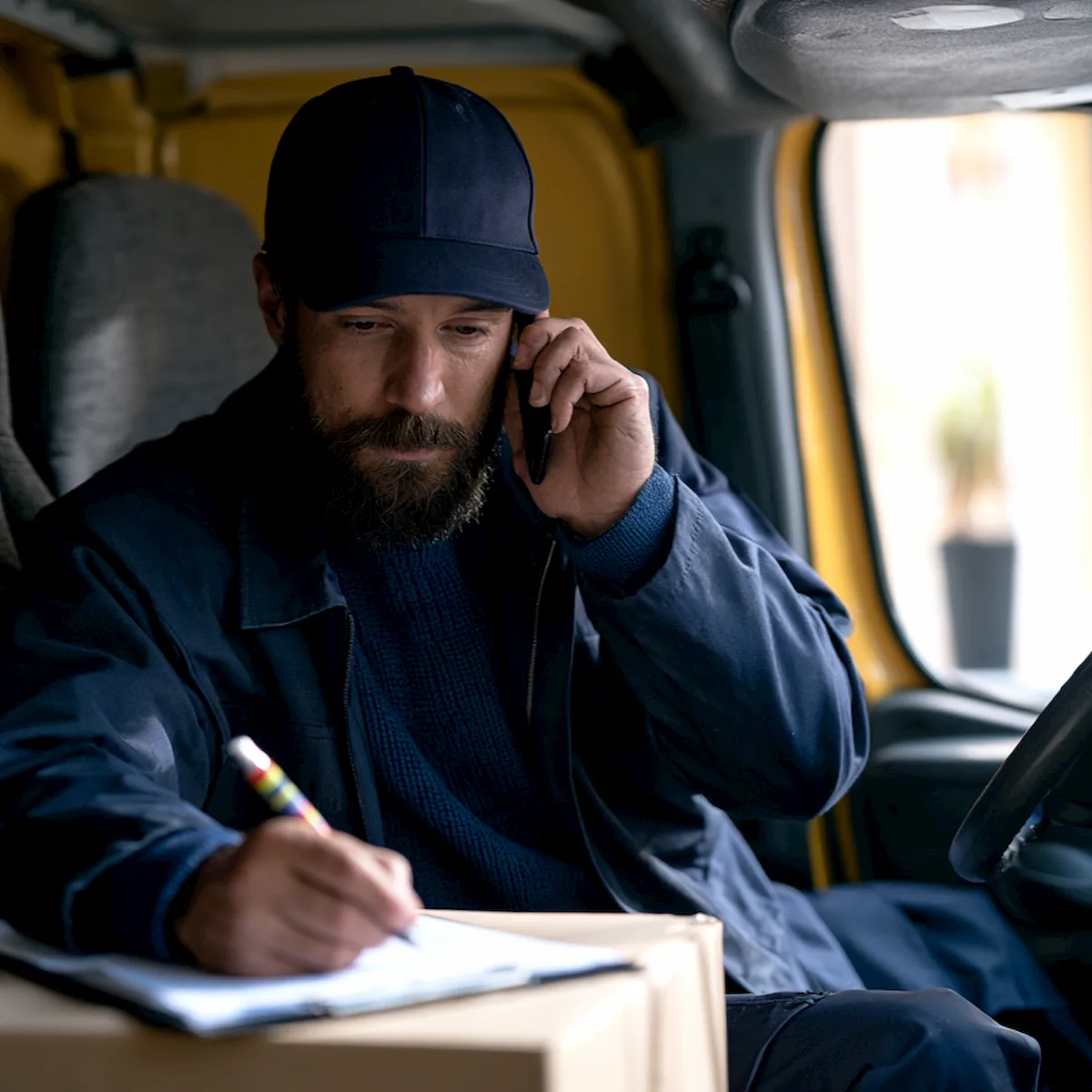
The Driver and the Company Behind the Driver
The driver who caused the crash is responsible for their own negligence, such as speeding, running a stop sign, backing up without looking, or checking a delivery app while driving.
Under Missouri law, an employer is generally liable for the negligence of an employee acting within the scope of employment. A delivery driver on a route is usually doing exactly that. The harder question is who the employer is.
Many delivery networks are built in layers. The van may carry one company’s logo while the driver is paid by a separate local company under contract. When a crash happens, the larger company often argues the driver was not its employee, so it is not responsible.
That argument is not the end of the analysis. Courts look at how much control a company actually has over the work: routes, schedules, uniforms, vehicles, training, performance tracking, and discipline. Separate claims may also exist for negligent hiring, training, or supervision, or for selecting a contractor with a poor safety record. In a widely reported 2026 Massachusetts case, Amazon accepted liability shortly before trial after spending two years arguing that the driver’s delivery partner, not Amazon, was responsible.
Different Delivery Models Raise Different Questions
- Contractor networks. Amazon delivers through its Delivery Service Partner program, independent local companies that employ the drivers. FedEx Ground has used a similar model of independent service providers. Expect both the local company and the larger company to be part of the analysis.
- Direct employees. Some carriers employ their drivers directly. The employment question is usually simpler, and the company’s commercial policy is typically the main coverage.
- Gig drivers in personal vehicles. App-based delivery drivers often use their own cars. Personal auto policies frequently exclude delivery work, and app company coverage may apply only during certain stages of a delivery. Whether the driver was logged in and what they were doing can decide which policy applies.
Each layer can carry its own insurance, and in a serious injury case, finding all of it matters.
Postal Service Vehicles Follow Federal Rules
A crash with a United States Postal Service vehicle driven by a postal employee is a claim against the federal government under the Federal Tort Claims Act. The rules are different and strict:
- A written administrative claim must be filed with the Postal Service within two years of the crash, usually on Standard Form 95, and must state a specific amount.
- A lawsuit generally cannot be filed until the claim is denied or until six months have passed without a decision.
- The amount requested in the administrative claim usually caps what can be recovered later, so it has to account for future care.
- Cases are tried to a judge in federal court, not a jury.
Some mail routes are run by private contract carriers. Those drivers are not federal employees, and the claim follows the normal Missouri rules.
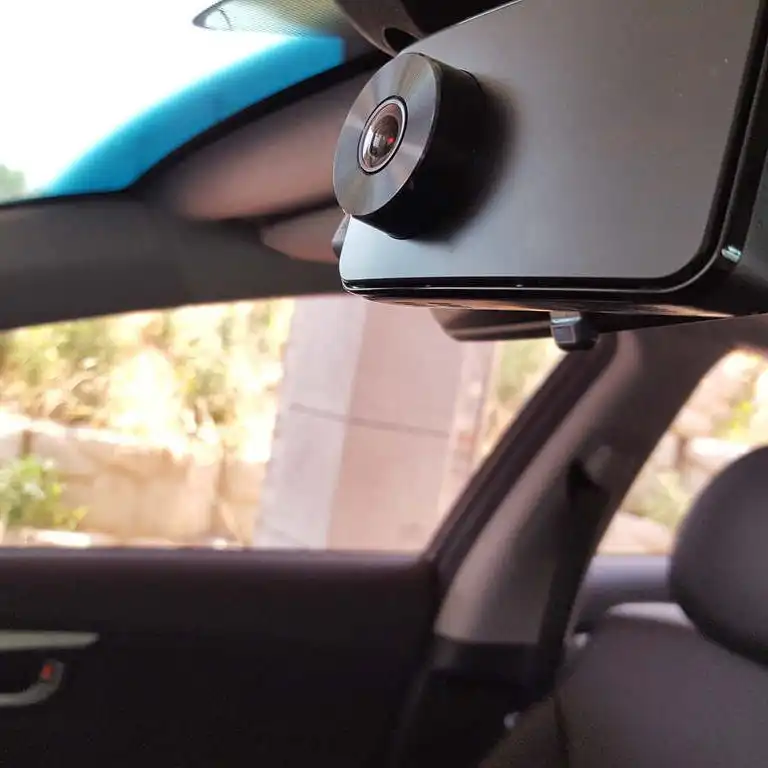
Other Responsible Parties and the Evidence Fleets Keep
Depending on the facts, responsibility may also extend to the company that owns or leases the van, a maintenance shop that let brakes or tires go, a vehicle or parts manufacturer, or another driver. Larger delivery trucks may fall under federal motor carrier safety rules; many smaller vans do not.
Delivery fleets often keep strong evidence: onboard and driver-facing cameras, telematics showing speed and hard braking, GPS route data, delivery scans that time-stamp each stop, and driver safety scores. Package scans can show whether a driver was rushing between stops at the moment of the crash. Much of this is kept for a limited time, so a preservation letter should go out early. Our article on who is liable in a truck accident in Missouri covers similar evidence for larger commercial vehicles.
Missouri Rules that Shape the Claim
- Pure comparative fault. If you were partly at fault, your recovery may be reduced by your share of fault, but it is not barred.
- Joint and several liability. Under RSMo 537.067, a defendant found 51% or more at fault can be responsible for the full judgment.
- Deadlines. Most Missouri injury claims must be filed within five years, and wrongful death claims within three. Postal Service claims follow the two-year federal deadline above. See how long you have to file a car accident claim in Missouri.
Delivery vans also strike pedestrians on neighborhood streets. If you were walking when you were hit, see our St. Louis pedestrian accident lawyer page.
Talk with a St. Louis Truck Accident Lawyer
If you were seriously injured in a crash with a delivery van, you work directly with Attorney Christopher Hoffmann, not a case manager. We identify every responsible company and every policy, and pursue the maximum available insurance recovery. Learn more on our St. Louis truck accident lawyer page.
Call (314) 361-4242 for a free consultation, or send us a few details. There is no fee unless we recover compensation on your behalf.
Every case is different; results depend on the facts. This article is general information, not legal advice.
FREE CASE EVALUATION