
How does dashcam footage help in proving fault? Contact The Hoffmann Law Firm, L.L.C. for expert legal help today.
In today’s increasing road traffic and accidents, dashcam footage has emerged as a critical tool for determining fault in car accidents. These compact devices provide an unbiased account of events leading up to and during a collision, often proving invaluable in disputes over liability. Understanding how dashcam footage can impact your case is crucial if you’re involved in a car accident.
If you’ve been involved in a car accident and have dashcam footage, consult an experienced personal injury attorney. At The Hoffmann Law Firm, L.L.C., we leverage evidence like dashcam footage to build solid cases and secure maximum client compensation. Contact us today for a
free consultation.
FREE CASE EVALUATION
What is Dashcam Footage?
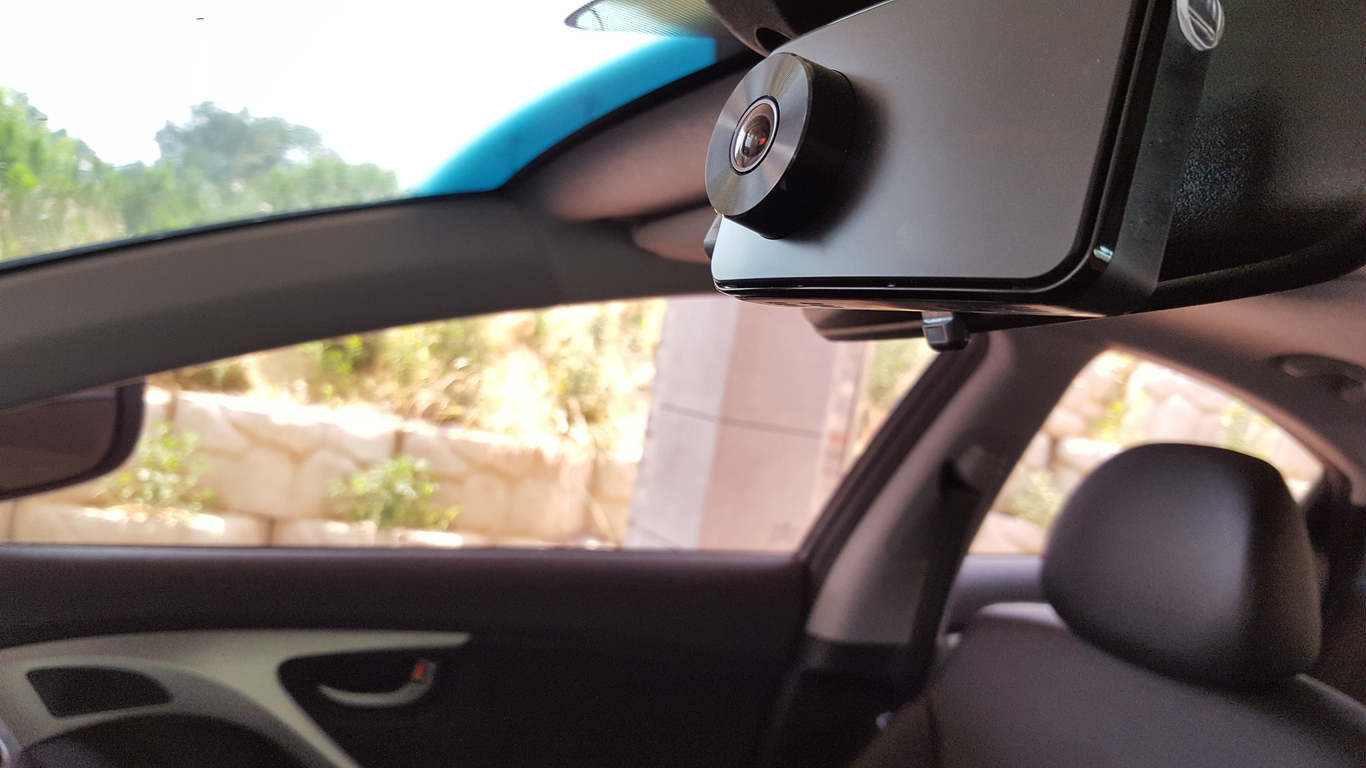
A dashcam (dashboard camera) is a small recording device installed in a vehicle, typically mounted on the windshield or dashboard. It records video (and sometimes audio) of the road ahead and, in some cases, the vehicle’s interior and surroundings.
Types of Dashcams
- Forward-Facing Dashcams: Record the view in front of the car.
- Dual-Facing Dashcams: Capture both the road ahead and the vehicle’s interior.
- 360-degree Dashcams: Provide a complete view of the vehicle’s surroundings.
- Rear-View Dashcams: Focus on the area behind the car.
How Dashcam Footage Can Prove Fault
Dashcam footage objectively records an accident’s events, which can be critical in proving fault. Here’s how:
- Clear Documentation of Events
- Dashcams capture real-time footage of driving behavior, traffic signals, road conditions, and weather. This evidence can establish a timeline of events, helping to clarify what occurred before, during, and after the accident.
- Identifying Traffic Violations
- Dashcams can record violations like running a red light, failing to yield, or tailgating. This can demonstrate reckless or negligent behavior by another driver.
- Addressing Conflicting Accounts
- In many accidents, drivers provide conflicting stories about what happened. Dashcam footage can corroborate your version of events or refute false claims.
- Catching Hit-and-Run Drivers
- If the at-fault driver flees the scene, a dashcam may capture their license plate number, vehicle make, and model, which can be vital for identifying and locating them.
- Proving External Factors
- Dashcams may also capture evidence of external factors contributing to the crash, such as a pedestrian jaywalking or debris on the road.
Admissibility of Dashcam Footage in Court
Dashcam footage is admissible in court as evidence, provided it meets specific criteria.
Legal Considerations
- Relevance: The footage must be relevant to the case, meaning it directly pertains to the accident or its circumstances.
- Authenticity: The footage must be verified as authentic and untampered. Original, unedited recordings are preferred.
- Compliance with Privacy Laws: Recording public roads is generally legal, but audio recordings may violate wiretapping laws in some states if consent is not obtained.
Steps to Ensure Admissibility
- Save the footage immediately after the accident.
- Avoid editing or altering the recording in any way.
- Provide the original SD card or storage device if requested.

Benefits of Dashcam Footage in a Personal Injury Claim
Using dashcam footage in your personal injury claim can provide significant advantages, including:
- Strengthening Your Case
- Video evidence carries more weight than verbal testimony alone. It adds credibility to your claim and can compel the insurance company to settle fairly.
- Avoiding Blame
- Dashcam footage can exonerate you from fault if the other party tries to shift blame onto you.
- Reducing Litigation Costs
- Clear evidence of fault can lead to quicker settlements, avoiding the need for lengthy court battles.
- Supporting Police and Accident Reports
- Dashcam footage can supplement official accident reports and witness statements, providing a fuller picture of the incident.
Limitations of Dashcam Footage
While dashcam footage is a powerful tool, it has its limitations:
- Incomplete Coverage: Dashcams may not capture all angles of an accident, such as impacts from the side or rear.
- Technical Failures: If the dashcam malfunctions or the footage is unclear, its usefulness may be limited.
- Interpretation Issues: Insurers or opposing parties may interpret the footage differently, arguing it does not conclusively prove fault.
- Legal Restrictions: Privacy laws or local regulations may limit the footage’s use.
Steps to Use Dashcam Footage Effectively
To maximize the impact of dashcam footage in your case, follow these steps:
- Save the Footage Securely
- Transfer the video to a secure device immediately after the accident to prevent loss or accidental deletion.
- Share with Your Attorney
- Provide the footage to your personal injury attorney for review and inclusion in your claim.
- Present to Insurers and Law Enforcement
- Share relevant portions of the footage with the insurance adjuster and police to support your version of events.
- Keep a Backup Copy
- Retain a copy of the footage for your records, as the original may be required during legal proceedings.
FAQs About Dashcam Footage
- Is it legal to use dashcam footage in Missouri?
- Yes, recording public roads with a dashcam is legal in Missouri. However, recording conversations inside the vehicle may require consent due to wiretapping laws.
- Can dashcam footage be used against me?
- If the footage shows you engaging in negligent behavior, it could be used to argue that you were partially or fully at fault.
- Do insurance companies accept dashcam footage?
- Most insurers accept dashcam footage as evidence during the claims process, but its impact will depend on its clarity and relevance.
- Should I inform other drivers that I have a dashcam?
- You are not required to disclose the presence of a dashcam unless asked by law enforcement or during legal proceedings.
Contact The Hoffmann Law Firm L.L.C
Dashcam footage is a powerful tool that can play a pivotal role in proving fault after a car accident. Providing objective evidence can clarify disputed facts, strengthen your personal injury claim, and expedite settlements. However, to use dashcam footage effectively, it’s essential to understand its legal implications and ensure it is appropriately handled.
If you’ve been involved in a car accident and have dashcam footage, consult an experienced personal injury attorney. At The Hoffmann Law Firm, L.L.C., we leverage evidence like dashcam footage to build solid cases and secure maximum client compensation. Contact us today for a free consultation.
FREE CASE EVALUATION
25 Years Only Car Accidents
Thousands Of Cases
Millions Recovered