
Determining fault in pull-out car accidents can be difficult. Contact The Hoffmann Law Firm, L.L.C. for a free consultation.
Car accidents can happen instantly, and determining fault is often one of the most complex aspects of any collision. When another driver pulls out in front of you and causes a crash, it might seem obvious that they are at fault. However, liability isn’t always so straightforward. Factors like road conditions, traffic laws, and driver behavior can all influence who’s ultimately held responsible.
Don’t let insurance companies undervalue your claim. Contact us for a free consultation today, and let us fight for your rights.
FREE CASE EVALUATION
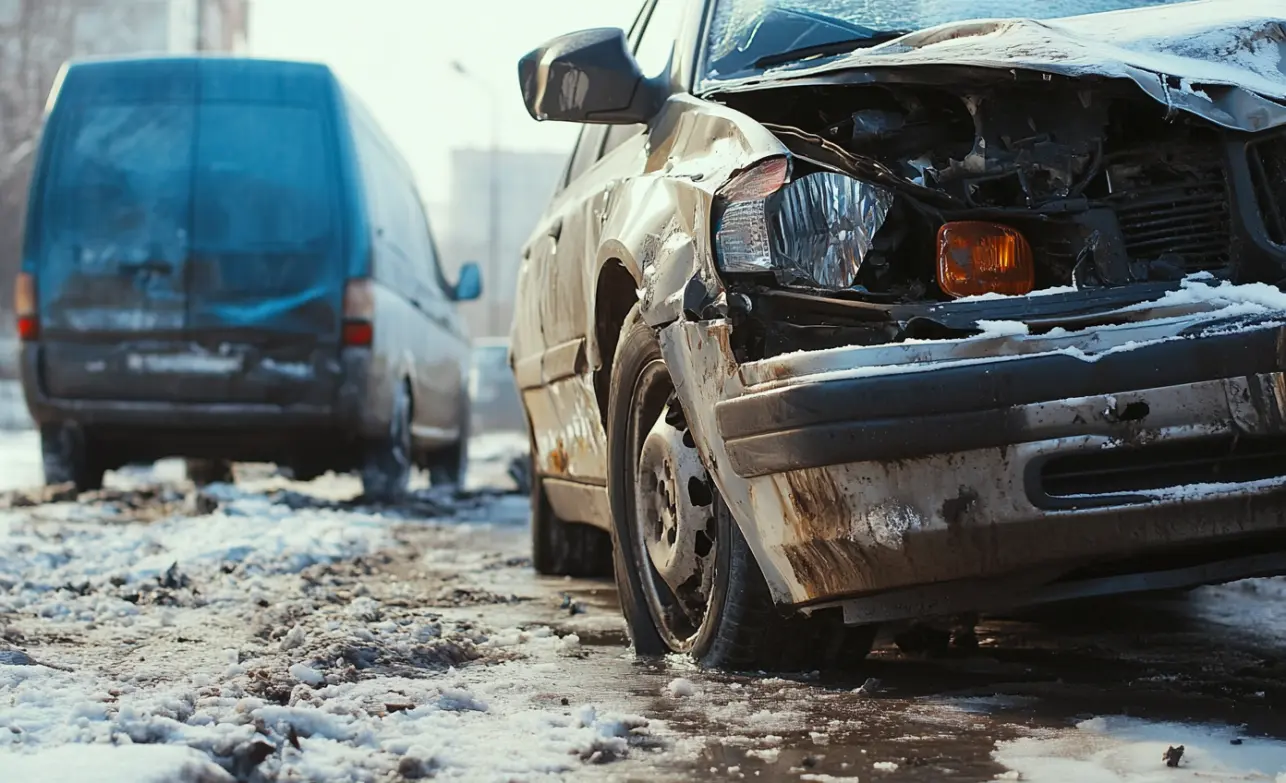
Understanding the Basics of Fault in Traffic Accidents
In most car accidents, the fault is determined by negligence. Negligence occurs when a driver fails to exercise reasonable care, resulting in harm to others. To prove negligence, you must establish four key elements:
- Duty of Care: All drivers owe a duty to others on the road.
- Breach of Duty: The driver violated traffic laws or acted recklessly.
- Causation: The driver’s actions directly caused the accident.
- Damages: You suffered injuries or property damage as a result.
When someone pulls out in front of you, they may have breached their duty of care, but proving fault depends on the specific circumstances.
Common Scenarios Where Someone Pulls Out and Causes a Crash
There are several situations where a driver might pull out in front of you, leading to an accident. Each scenario has unique factors that affect liability:
- Turning Onto a Road from a Driveway or Parking Lot
- When drivers pull out of a private driveway or parking lot, they must yield to oncoming traffic. They are typically at fault if they fail to do so and cause a collision. However, you might share some responsibility if you were speeding or distracted.
- Left Turns Across Oncoming Traffic
- Drivers making a left turn must yield to oncoming traffic unless they have a green arrow or a similar right-of-way signal. If they misjudge the distance or speed of your vehicle and turn in front of you, they are likely at fault.
- Merging from a Side Street
- Drivers entering a main road from a side street must yield to vehicles already on the road. Failure to wait for a safe gap can make them liable for accidents.
- Lane-Changing Collisions
- If a driver changes lanes without signaling or checking their blind spots, they may pull out in front of you unexpectedly. In such cases, they are often found at fault for improper lane usage.
- Sudden Stops or Pull-Outs in Parking Lots
- Parking lots are hot spots for accidents. If another driver pulls out from a parking space without looking, they could be held responsible for failing to check for oncoming traffic.
Factors That Influence Fault in Pull-Out Accidents
While the driver who pulled out is often at fault, other factors can shift liability:
- Speeding
- Driving significantly over the speed limit might reduce or eliminate the other driver’s liability. Speeding can also make it difficult for other drivers to judge whether it’s safe to pull out.
- Distracted Driving
- If evidence shows you were texting, talking on the phone, or otherwise distracted, you could be found partially at fault for failing to react in time.
- Failure to Signal
- If you were turning or changing lanes but failed to signal, the other driver might argue they couldn’t anticipate your movements.
- Road Conditions
- Poor visibility, wet roads, or other hazardous conditions might make it harder for either driver to avoid the accident. In such cases, liability may be shared.
- Traffic Signals and Signs
- The presence of stop signs, yield signs, or traffic lights can heavily influence fault. For example, a driver who ignores a stop sign and pulls out into oncoming traffic is almost always at fault.
How Fault Is Determined in Missouri
Missouri follows a comparative fault system, meaning multiple parties can share responsibility for an accident. If you are partially at fault, your compensation may be reduced by your percentage of fault. For example, if you’re found 20% at fault for speeding, you can still recover 80% of your damages.

Proving Fault After a Pull-Out Accident
To establish liability, you’ll need strong evidence. Here are the most effective types of proof in pull-out accidents:
- Police Reports
- The responding officer will document their observations and may include an opinion on who was at fault based on traffic laws and witness statements.
- Dashcam Footage
- Video evidence from a dashcam can provide a clear and objective record of the accident, showing whether the other driver failed to yield or acted recklessly.
- Witness Statements
- Eyewitnesses can corroborate your version of events, mainly if they saw the other driver pull out without yielding.
- Accident Scene Photos
- Photographs of skid marks, vehicle damage, and traffic signs can help reconstruct how the accident occurred.
- Expert Testimony
- In complex cases, accident reconstruction experts can analyze the scene, vehicle positions, and impact points to determine fault.
What to Do If You’re Involved in a Pull-Out Accident
If you’re in an accident where another driver pulled out in front of you, take these steps to protect your rights:
- Call 911: Report the accident and request police assistance.
- Seek Medical Attention: Prioritize your health and document any injuries.
- Collect Evidence: Take photos of the scene, exchange information with the other driver, and gather witness contact details.
- Notify Your Insurance Company: Report the accident but avoid admitting fault.
- Consult an Attorney: An experienced car accident lawyer can help you navigate the claims process and protect your rights.
FAQs About Pull-Out Accidents
- Can both drivers be at fault?
- Yes. In some cases, both drivers may share liability. For example, the fault might be divided if the other driver failed to yield but you were speeding.
- What if there’s no evidence?
- Lack of evidence can make proving fault challenging. However, an attorney can help you gather additional evidence or leverage witness testimony.
- Will my insurance rates increase?
- Your insurance premiums may rise if you’re found partially or fully at fault. However, this varies by insurer and policy.
- Can I sue the other driver?
- If the other driver’s negligence caused the accident and your damages exceed insurance coverage, you can file a lawsuit to recover additional compensation.
Contact The Hoffmann Law Firm, L.L.C.
Determining fault can be complicated if you’ve been injured in an accident where another driver pulled out in front of you. At The Hoffmann Law Firm, L.L.C., we have over 20 years of experience helping car accident victims in St. Louis secure the compensation they deserve.
Don’t let insurance companies undervalue your claim. Contact us for a free consultation today, and let us fight for your rights.
FREE CASE EVALUATION
25 Years Only Car Accidents
Thousands Of Cases
Millions Recovered