100% FREE
Free case review
Tell us what happened. We’ll review it and reach out — no cost, no obligation.
Available 24/7. Every case is different; results depend on the facts.
What to expect
You don’t have to navigate a T-bone crash alone
If you or a loved one was injured in a T-bone car accident in St. Louis, the aftermath — serious injuries, expensive treatment, and an insurance fight — can be overwhelming. For 25 years, The Hoffmann Law Firm has handled side-impact collision cases, and we’re ready to help you pursue the compensation you deserve.
What is a T-bone car accident?
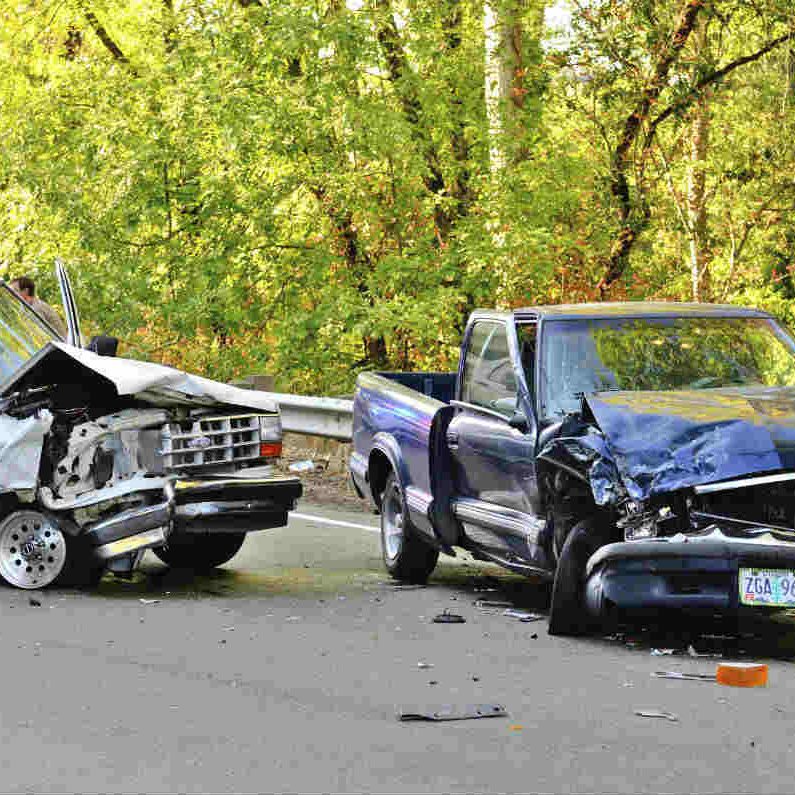
A side-impact collision — also called a T-bone accident — happens when the front of one vehicle strikes the side of another. Because there’s little between an occupant and the impact but the door, these crashes often cause significant vehicle damage and severe injuries. According to the National Highway Traffic Safety Administration (NHTSA), T-bone accidents account for at least 8,000 fatalities each year.
Why side-impact crashes are so dangerous
The side of a vehicle has a poor ability to absorb the force of a collision. Even with side airbags — which aren’t as protective as front airbags — occupants are exposed. Research from the Association for the Advancement of Automotive Medicine found that side-impact collisions make up about 19% of crashes but account for 32% of recorded fatalities.
The risk is compounded when one or both vehicles are traveling at speed: the impacted car may spin, roll over, strike other vehicles or objects, or even hit nearby pedestrians.
Common injuries from T-bone accidents
Without the buffer of a bumper and engine as in a head-on crash, or the trunk as in a rear-end collision, drivers and passengers in a T-bone crash are vulnerable to grave injuries that may require costly treatment. These often include:
- Spinal cord injuries and skull fractures
- Traumatic brain injuries and bone fractures
- Chest injuries
Where the impact lands on the door often determines the injury: leg injuries when the lower door caves in, rib injuries from a center-door strike, hip injuries when force concentrates on the pelvis, and head injuries from contact with the door, glass, or a deploying airbag. Shoulder, arm, back, and neck injuries are also common.
Side-impact crashes and traumatic brain injury
Side-impact crashes are especially associated with traumatic brain injury — more than 50% of side-impact fatalities involve TBI. A study published in the Annals of Emergency Medicine, drawing on NHTSA collision data from roughly 6,780 occupants across 5,483 vehicles, found that side-impact crashes are about three times more likely to expose occupants to TBI, with women at higher risk than men. The findings led researchers to recommend that emergency physicians screen side-impact patients for TBI even before symptoms appear.
TBI can bring life-altering physical and cognitive changes — mood and personality shifts, reduced cognitive and reasoning ability, and in severe cases paralysis. Many patients require constant assistance and lifelong medical care, a burden that falls on victims and their families.
Common causes of T-bone accidents
- Driving too fast for conditions and improper braking distance
- Improper left turns across oncoming traffic
- Running a red light or stop sign, or attempting a yellow
- Pulling out of a parking lot, or failure to signal
- Distracted driving and texting while driving
Expenses after a T-bone crash
Victims are often left with significant costs — present and future medical expenses, rehabilitation, property damage, and lost wages. Every collision has unique circumstances, so it’s important to work with an experienced car accident attorney who can document and connect these expenses to your accident.
Side airbags and prevention
Manufacturers have worked to reduce side-impact injuries with side airbags (SABs), which come in three main types: chest/torso bags mounted in the seat or door, head bags mounted in the roof rail above the windows, and combination head-and-chest bags. They help — but nothing protects better than avoiding the collision. Looking both ways before crossing an intersection, making sure everyone wears a seat belt, and keeping children in proper safety seats all reduce the risk. Accidents still happen, which is why being prepared, and knowing your rights afterward, matters.
Why The Hoffmann Law Firm
25 years on side-impact cases, working with you directly
At The Hoffmann Law Firm, you work directly with Attorney Christopher Hoffmann — not a case manager. For over 25 years, this firm has focused on car accident injury cases in St. Louis, including the complex, often severe injuries that come with T-bone crashes. We understand the distress these accidents bring, and we can guide you through the legal process and fight for fair compensation for your medical expenses, pain and suffering, and other damages. Call us 24/7 for a free case evaluation.

Common questions
Frequently asked questions about T-bone car accidents
What is a T-bone car accident?
A T-bone car accident, also known as a side-impact collision, occurs when the front of one vehicle collides with the side of another. Due to the minimal protection at the sides of vehicles, these accidents often result in significant damage and severe injuries.
What injuries are common in T-bone car accidents?
Common injuries include spinal cord injuries, skull fractures, traumatic brain injuries, broken bones, and chest injuries. Others can affect the legs, ribs, hips, head, shoulders, arms, back, and neck, depending on where the impact lands.
Why are T-bone accidents so dangerous?
The sides of vehicles have limited ability to absorb the force of a collision, even with side airbags. The impact often leads to serious injuries or fatalities due to crushing of the impacted car, rollover, or subsequent collisions with other vehicles.
What are the most common causes of T-bone accidents?
Common causes include driving too fast for conditions, improper left turns, running red lights or stop signs, attempting a yellow light, pulling out of parking lots, distracted driving, and failure to signal.
What expenses can result from a T-bone car accident?
Expenses can include present and future medical costs, rehabilitation, property damage, and lost wages. An experienced car accident attorney can help document these expenses and pursue compensation.
How can T-bone car accidents be prevented?
Safe driving habits help: looking both ways before crossing an intersection, wearing seat belts, and keeping children in proper safety seats. It also helps to make sure your vehicle is equipped with side-impact airbags.
What should I do if I’m injured in a T-bone car accident in St. Louis?
Contact The Hoffmann Law Firm for a free consultation. With over 25 years of experience, our team can help you seek compensation for your injuries and other damages. Call (314) 361-4242 for a free case evaluation.
Every case is different; results depend on the facts.
Related
Related St. Louis car accident topics: Intersection accidents · Rear-end collisions · Traumatic brain injury · Car accident settlements.
Ready to talk?
Injured in a St. Louis T-bone crash?
Free consultation, 24/7. We’ll make the process as seamless as possible while pursuing the compensation you deserve.