
Understanding where pedestrian-motorist crashes are most likely to occur can help take targeted actions to improve safety.
Pedestrian-motorist crashes are a significant concern in urban areas across the United States. Understanding where these accidents are most likely to occur can help pedestrians and drivers take necessary precautions to prevent them. Most pedestrian-motorist crashes occur in specific locations, often influenced by traffic volume, pedestrian activity, and road design. Here, we explore the common locations for these crashes and the reasons behind their prevalence.
Understanding where pedestrian-motorist crashes are most likely to occur can help take targeted actions to improve safety. Urban intersections, non-intersection locations, areas with poor visibility, and school zones all require focused safety measures. Both pedestrians and drivers need to be aware of these high-risk locations and practice safe behaviors to reduce the incidence of these potentially fatal accidents. Implementing better infrastructure, enforcing traffic laws, and increasing public awareness are essential to making our roads safer.
FREE CASE EVALUATION
25 Years Only Car Accidents
Thousands Of Cases
Millions Recovered
Urban Areas and Intersections
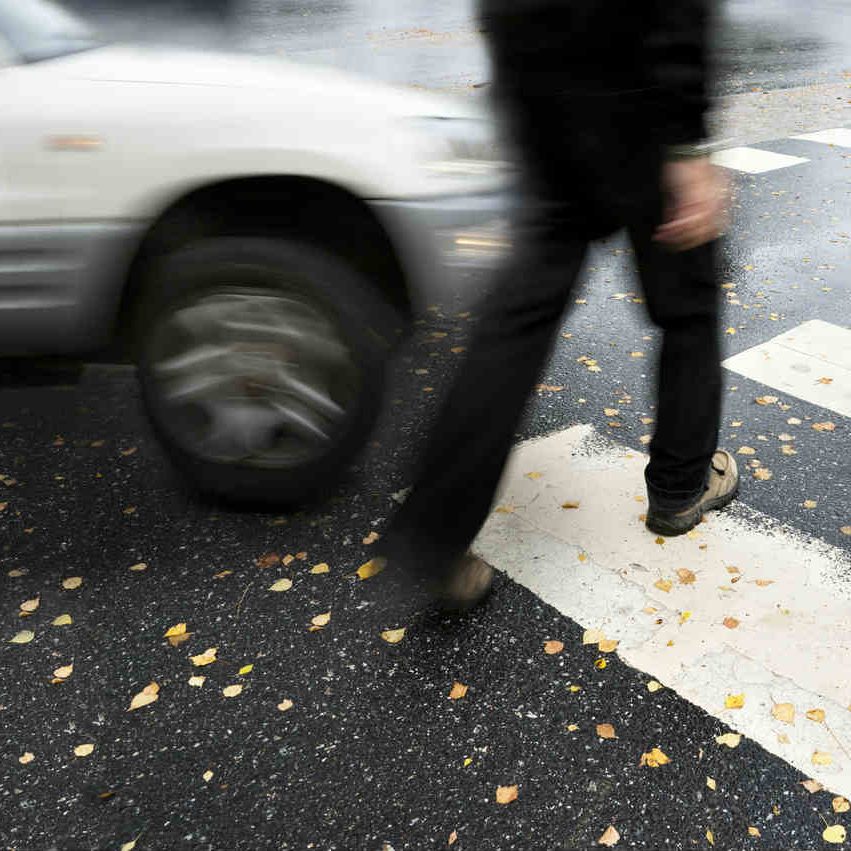
The majority of pedestrian-motorist crashes occur in urban areas, particularly at intersections. Intersections are inherently dangerous because they involve multiple traffic movements and directions. Pedestrians crossing the street may be in the path of turning vehicles, and drivers may fail to yield the right of way. According to the National Highway Traffic Safety Administration (NHTSA), more than 70% of pedestrian fatalities occur in urban settings, with intersections being a common site.
Factors Contributing to Intersection Crashes:
- High Traffic Volume: Urban intersections often have a high volume of vehicles, increasing the likelihood of accidents.
- Pedestrian Crossings: Intersections are designated points for pedestrians to cross, allowing them to interact directly with vehicular traffic.
- Driver Distractions: Drivers may be distracted by traffic signals, other vehicles, or pedestrians, leading to accidents.
- Failure to Yield: Many crashes occur because drivers do not yield to pedestrians with the right of way.
Non-Intersection Locations
While intersections are a hotspot, many pedestrian-motorist crashes occur at non-intersection locations. These incidents often happen along busy roadways, parking lots, and bus stops.
Common Non-Intersection Crash Sites:
- Mid-Block Crossings: Pedestrians crossing streets in non-designated areas are at a higher risk.
- Bus Stops: Pedestrians often cross the street near bus stops without using crosswalks.
- Parking Lots: The mix of vehicles and pedestrians in parking lots creates numerous opportunities for accidents.
- Roadside: Pedestrians walking along the road, especially in areas without sidewalks, are at higher risk.
Nighttime and Poor Visibility Conditions
A notable proportion of pedestrian-motorist crashes occur at night or in conditions with poor visibility. Reduced lighting makes it harder for drivers to see pedestrians and for pedestrians to gauge the speed and distance of oncoming vehicles.
Mitigating Factors:
- Street Lighting: Adequate lighting can significantly reduce the risk of nighttime crashes.
- Reflective Clothing: Pedestrians wearing reflective clothing or carrying lights are more visible to drivers.
- Driver Awareness: Drivers should be cautious and reduce speed in poorly lit areas.
School Zones and Residential Areas
School zones and residential neighborhoods are also common locations for pedestrian-motorist crashes. The presence of children, who may not always be attentive to traffic rules, and the mix of pedestrians and vehicles in residential areas increase the likelihood of accidents.
Safety Measures:
- Speed Limits: Lower speed limits in school zones and residential areas help reduce the severity of crashes.
- Crossing Guards: The presence of crossing guards during school hours improves safety for young pedestrians.
- Traffic Calming Measures: Speed bumps, signage, and road narrowing can help slow traffic in residential areas.
Understanding where pedestrian-motorist crashes are most likely to occur can help take targeted actions to improve safety. Urban intersections, non-intersection locations, areas with poor visibility, and school zones all require focused safety measures. Both pedestrians and drivers need to be aware of these high-risk locations and practice safe behaviors to reduce the incidence of these potentially fatal accidents. Implementing better infrastructure, enforcing traffic laws, and increasing public awareness are essential to making our roads safer.
Why Choose Us over TV Lawyers?
Direct Attorney Access (24/7)
Maximum Compensation Focus
Trial-Ready Cases
Team-Based Handling
Volume-Driven Timelines
Less Trial Preparation Emphasis
Free Consultation with a St. Louis Car Accident Lawyer
Don’t talk to an insurance claims adjuster before speaking with The Hoffmann Law Firm, L.L.C. We can help you avoid making statements that may affect the outcome of your case. The consultation is free; you don’t pay unless we get you money!