
Wondering what happens if both drivers share fault in a car accident? Contact The Hoffmann Law Firm L.L.C. today for a free consultation.
Car accidents aren’t always straightforward. In some cases, both drivers may share responsibility for the collision. Understanding how shared fault impacts liability, compensation, and the legal process is crucial if you find yourself in this situation.
The Hoffmann Law Firm is here to help if you’re navigating a shared fault accident. Our experienced car accident attorneys will fight to ensure you receive the compensation you deserve. Contact us today for a free consultation!
FREE CASE EVALUATION
What Is Shared Fault?
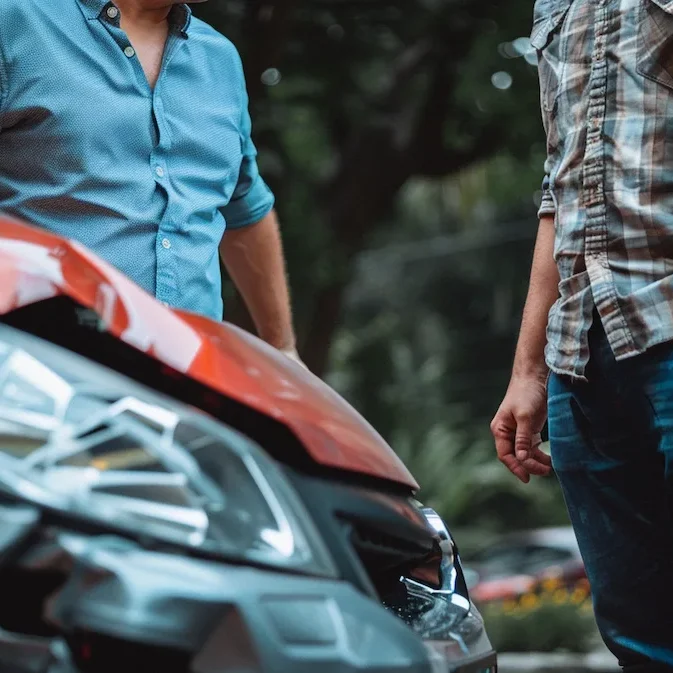
Shared fault, also known as “comparative negligence,” occurs when more than one party bears responsibility for a car accident. This concept acknowledges that accidents often arise from multiple drivers’ combined actions (or inactions).
Types of Comparative Negligence Laws
States handle shared fault differently, based on their specific laws. Here are the main frameworks:
- Pure Comparative Negligence
- Each party can recover damages proportional to their percentage of fault, even if they are mostly to blame. For example, a driver who is 90% at fault can still recover 10% of the damages.
- Modified Comparative Negligence
- Recovery is limited if the claimant’s share of fault exceeds a certain threshold (usually 50% or 51%).
- Example: In a 51% rule state, a driver 52% at fault cannot recover damages.
- Contributory Negligence
- Any fault by the claimant completely bars recovery, even if they are only 1% at fault.
- These laws are much stricter and apply in only a few states.
Missouri’s Approach: Pure Comparative Negligence
Missouri follows the pure comparative negligence rule, meaning you can recover compensation even if you are partially or mostly at fault. However, your compensation is reduced by your percentage of fault.
How Is Fault Determined?
Fault is usually determined by:
- Police Reports
- A police report often includes the officer’s observations and conclusions about fault based on evidence at the scene.
- Eyewitness Statements
- Neutral third parties can provide valuable insights into what happened.
- Surveillance or Dash Cam Footage
- Video evidence can clarify conflicting accounts.
- Accident Reconstruction Experts
- In complex cases, experts analyze factors like vehicle speeds, skid marks, and points of impact.
- Traffic Laws
- Violations such as running a red light or failing to yield can weigh heavily in determining fault.
Examples of Shared Fault Scenarios
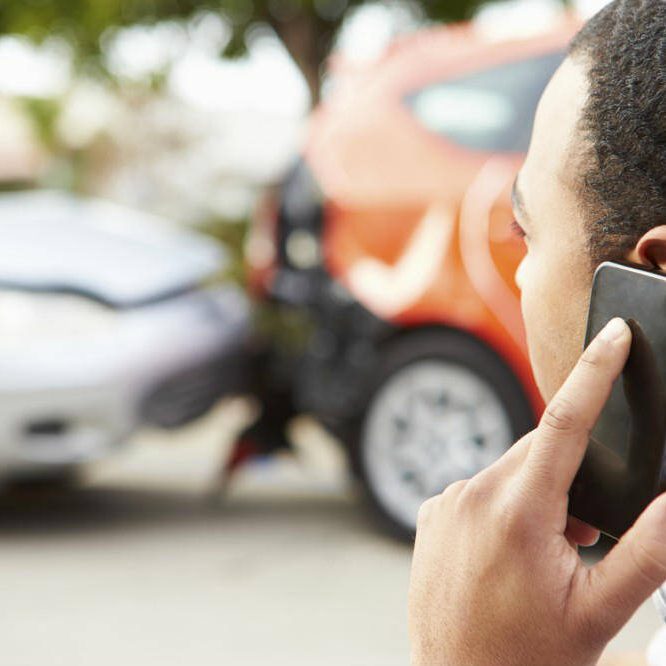
- Parking Lot Accidents
- Two cars backing out of parking spaces collide.
- Rear-End Collisions
- Driver A stops abruptly in traffic; Driver B is following too closely and cannot stop quickly. Both may share fault.
- Intersection Accidents
- Driver A runs a yellow light while Driver B turns left without checking for oncoming traffic.
- Sideswipe Accidents
- Two drivers merge into the same lane simultaneously without signaling or checking blind spots.
Dealing with Insurance Companies
- Insurance adjusters may try to:
- Argue that you are more at fault than you are.
- Use comparative negligence laws to reduce their liability.
- Protect Yourself:
- Avoid admitting fault during conversations with insurance adjusters.
- Stick to factual descriptions of the accident.
- Let your attorney handle complex negotiations.
When to Consult a Lawyer
- If fault is disputed or the damages are significant, consulting a lawyer can help protect your interests. An experienced attorney can:
- Investigate the accident thoroughly.
- Challenge unfair fault allocations.
- Negotiate a fair settlement.
How to Prove Your Side
- To minimize your fault percentage and strengthen your case:
- Document the Scene: Take photos of vehicle damage, skid marks, and road conditions.
- Gather Witness Statements: Get contact information from anyone who saw the accident.
- Request a Police Report: A detailed report can support your version of events.
- Provide Evidence of Safe Driving: Show that you followed traffic laws or took steps to avoid the accident.
FAQ: Shared Fault and Car Accidents
- Can I still recover damages if I’m primarily at fault?
- In Missouri, yes. Even if you are 90% at fault, you can recover 10% of the damages.
- Will shared fault affect my insurance rates?
- Yes. Being found partially at fault may increase your premiums.
- What if the other driver’s fault is hard to prove?
- To build your case, an attorney can help gather evidence, such as witness accounts or accident reconstruction.
- Does comparative negligence apply to property damage claims?
- Yes, shared fault principles apply to property damage and personal injury claims.
Contact The Hoffmann Law Firm L.L.C Today
Shared fault can complicate car accident claims, but understanding how it works can help protect your rights and maximize your compensation. In Missouri, pure comparative negligence allows you to recover damages even if you’re partially to blame. However, minimizing your fault percentage is vital to securing a fair outcome.
The Hoffmann Law Firm is here to help if you’re navigating a shared fault accident. Our experienced car accident attorneys will fight to ensure you receive the compensation you deserve. Contact us today for a free consultation!
FREE CASE EVALUATION
25 Years Only Car Accidents
Thousands Of Cases
Millions Recovered