
When a child is hit by a car in Missouri, a parent brings the claim, a judge may approve the settlement, and the child’s fault is judged differently.
Despite making up only a small portion of the population, child pedestrians are disproportionately likely to be injured or killed in traffic accidents. For example, according to the CDC, one in five children (20.4%) who lost their lives in car accidents in 2020 were pedestrians. Several reasons explain why children are more likely to be involved in pedestrian accidents than adults.
FREE CASE EVALUATION
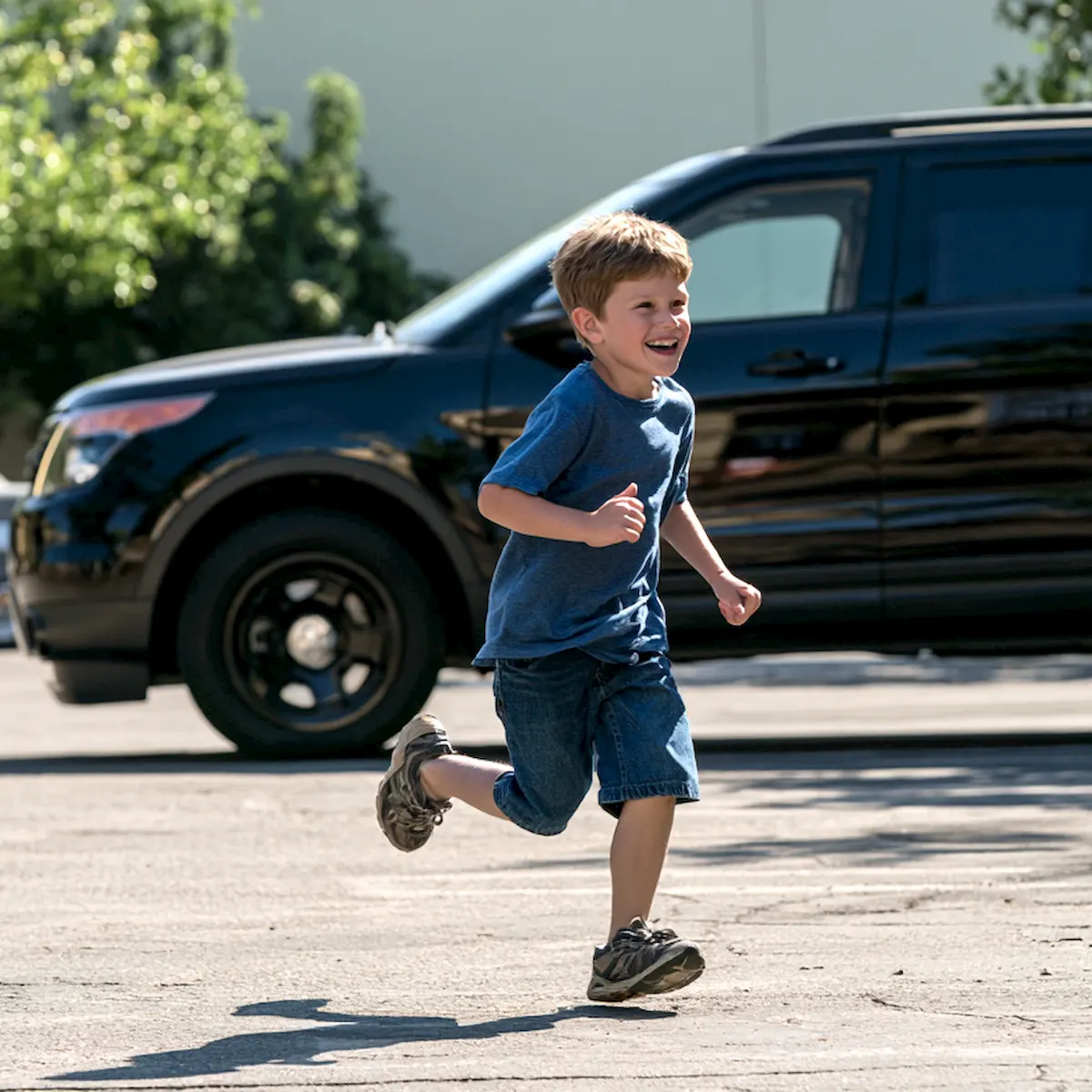
Here are Some of the Most Common Factors:
Children’s Smaller Size Makes Them More Difficult for Drivers to See
This is perhaps the most obvious reason why children are more likely to be injured in pedestrian accidents. Drivers have a limited field of view, and children’s smaller size makes them even more difficult to see. In addition, drivers are often distracted by other things, such as the radio or their phones, which further decreases their ability to see pedestrians. As a result, it’s not surprising that so many children are struck by cars each year.
Children Are Less Likely to Judge the Speed of Oncoming Traffic Accurately
Even if a child knows basic traffic rules, they have less developed coordination and judgment than adults. This means that they may misjudge the speed of a car or truck and step into the road without enough time to react. As a result, they are more likely to be struck by a vehicle and seriously injured.
The Impact of a Collision
Another reason children are more likely to be injured in pedestrian accidents than adults is that children’s bodies are less able to withstand the impact of a collision than adults’ bodies. This is because children have more fragile bones and less developed muscle tissue, which provides less protection in a collision. In addition, children’s brains are also more susceptible to injury because they are still developing. As a result, even a relatively minor impact can cause significant damage.
Children Are Less Likely to Obey Traffic Rules
Children may not understand the dangers of crossing the street without looking both ways or jaywalking. This lack of understanding can put children at a higher risk for pedestrian accidents.
Children Are More Likely to Take Risks
Children often lack the cognitive ability to understand the dangers of walking or playing near busy streets. They may be more likely to run across the street without looking or play in dangerous areas. This risk-taking can also contribute to pedestrian accidents. Additionally, children are easily distracted and may not pay attention to their surroundings.
These factors underscore the importance of educating children about traffic safety from an early age. Parents and caregivers should also stay vigilant when supervising kids around roads and sidewalks. When everyone does their part, we can help protect pedestrians of all ages.

Who Brings the Claim
A child under 18 cannot bring a claim or sign a settlement. A parent or guardian brings it as the child’s “next friend.” In practice, two claims run together: the child’s claim for pain, lasting injury, and future losses, which belongs to the child, and the parents’ claim for the medical bills they paid or owe during the child’s minority, which belongs to the parents. Keeping the two separate matters later, when the money is distributed.
How the Child’s Own Actions Are Judged
The driver’s insurer will often say the child darted out. Missouri answers that in two ways. First, the driver owes the highest degree of care, and the law expects a driver near a school, bus stop, playground, or residential street to anticipate what children do. Drivers must also stop for a school bus with its stop arm out (RSMo 304.050), and a child struck while crossing to or from a bus is a strong claim.
Second, a child’s conduct is measured against a child of the same age, intelligence, and experience, not an adult’s. A very young child is generally not held at fault. Missouri’s pure comparative fault rule then reduces, but does not bar, the recovery by whatever share is assigned. In a parking lot or a crosswalk, that share is often zero.
If a driver hit your child in the St. Louis area, talk to a St. Louis pedestrian accident attorney before the adjuster calls. (314) 361-4242 – Free consultation.
How a Child’s Settlement Is Approved
Missouri protects a child’s money differently than it protects an adult’s. Under RSMo 436.700, a settlement of $35,000 or less, including medical reimbursement, liens, and fees, can be finalized on the parent’s sworn affidavit, with the child’s share deposited in a Uniform Transfers to Minors account for the child’s sole benefit. For amounts above that, the parent petitions the circuit court as next friend, a judge reviews the terms and approves the settlement as in the child’s best interest (RSMo 507.184), and the funds are protected until the child turns 18, often through a structured settlement or a restricted account.
Missouri lien law requires paying medical liens from the settlement before the child’s share is set. When the injury is lifelong, a special needs trust may be used so the settlement does not disqualify the child from public benefits.
Deadlines and Why They Do Not Help Much
Missouri tolls the limitations period for a minor, so the child’s own claim generally does not expire until the child is an adult (RSMo 516.170). The parents’ claim for medical expenses runs on the usual five-year clock. Neither deadline preserves evidence. Witness memories, the driver’s phone records, and nearby camera footage are gone long before either date, so the claim should be opened early even if it is not settled early. The filing deadline post explains the general rules.
What a Child’s Claim Accounts For
A growing child’s injury can change as the child grows. A fracture through a growth plate may need repeat surgery; a brain injury may not show its full effect until the child reaches the grade where the lost skill is needed. The claim should account for future care, future surgery, educational support and, for a serious injury, lost earning capacity decades out. That is a reason not to settle a child’s claim quickly, and a reason the court looks closely before approving one.
What to Expect When You Reach Out
Since 1998, our firm has handled motor vehicle injury cases only, from a locally owned office in Clayton. If the injuries are serious, you work directly with Attorney Christopher Hoffmann. We handle the next-of-kin process, the court approval, and the lien resolution so the family can focus on the child’s recovery. The consultation is free, and there is no fee unless we recover compensation.
FREE CASE EVALUATION