
Injured in a car accident even while buckled up? Contact the Hoffmann Law Firm today to schedule a free consultation.
Every time you get into a car, buckling your seat belt could save your life in an accident. Yet, despite decades of public safety campaigns and compelling evidence, not everyone prioritizes seat belt use.
Contact The Hoffmann Law Firm, L.L.C., for a free consultation if you or a loved one has been injured in a car accident. We have over 25 years of experience helping car accident victims in St. Louis secure the compensation they deserve. Let us fight for you while you focus on your recovery.
FREE CASE EVALUATION
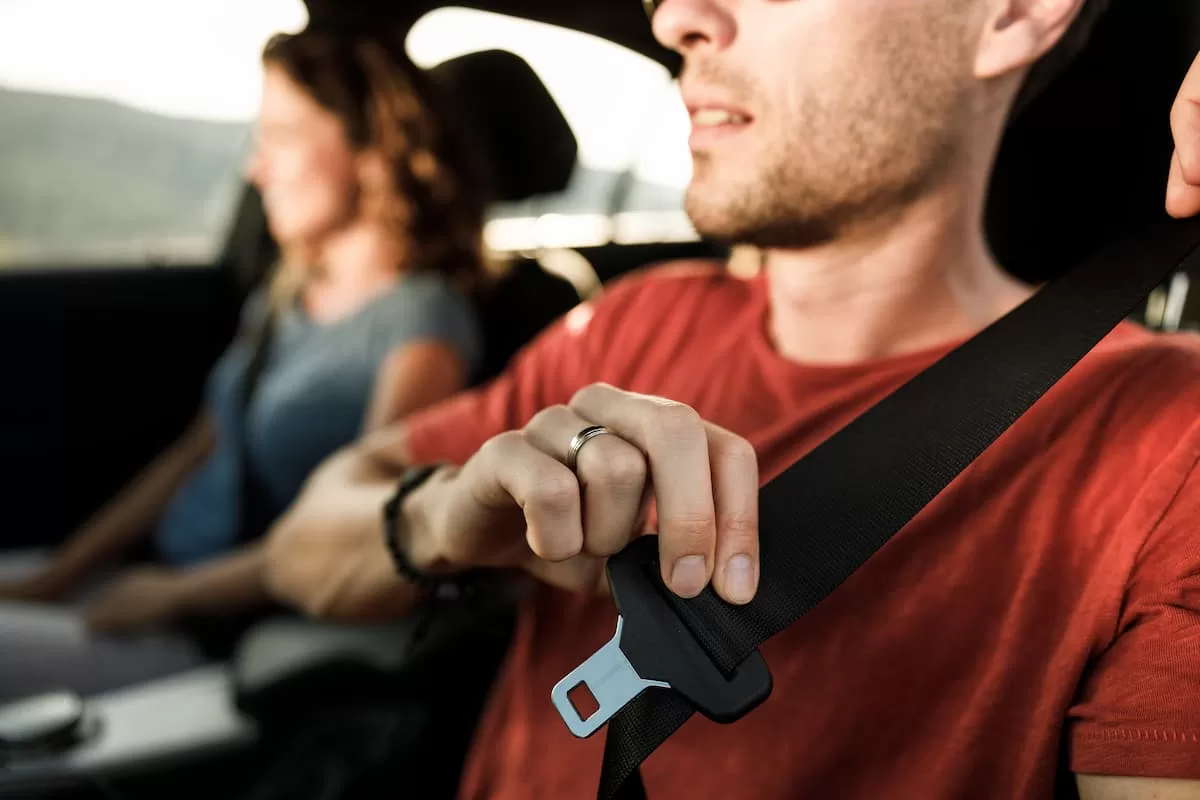
How Seat Belts Save Lives
Seat belts are designed to prevent ejection from the vehicle and reduce the impact of a crash on the human body. Here’s how they work:
- Distribution of Force: In a crash, seat belts spread the forces of the collision across the strongest parts of the body, such as the chest, shoulders, and pelvis, reducing the likelihood of severe injury.
- Restraint from Ejection: Studies show that individuals not wearing a seat belt are 30 times more likely to be ejected from the vehicle during a crash, a scenario often resulting in fatal injuries.
- Reduction of Whiplash and Head Injuries: By restraining passengers, seat belts minimize rapid forward motion that leads to whiplash and traumatic brain injuries.
The Science Behind Seat Belt Effectiveness
According to the National Highway Traffic Safety Administration (NHTSA), seat belts reduce the risk of death for drivers and front-seat passengers by 45% and the risk of moderate to critical injuries by 50%. In rollovers, seat belts are even more critical, preventing passengers from being tossed around or ejected.
Common Injuries Prevented by Seat Belts
While seat belts significantly reduce the severity of injuries, they can’t eliminate them. Here are some common injuries seat belts help minimize:
- Head and Neck Injuries: Preventing a passenger from hitting the windshield or dashboard reduces the risk of skull fractures and traumatic brain injuries.
- Spinal Injuries: Seat belts lower the risk of spinal cord injuries caused by sudden and violent motion by keeping the body restrained.
- Abdominal and Internal Injuries: The restraint system protects vital organs from direct impact with hard surfaces, such as the steering wheel.
Injuries Caused by Seat Belts
Though seat belts save lives, they can sometimes cause injuries during high-impact collisions. Common seat belt-related injuries include:
- Bruising and Abrasions: The restraint may leave marks or cause bruising on the chest, shoulders, and abdomen.
- Rib Fractures: The force of a crash can cause rib fractures, especially in older individuals.
- Soft Tissue Damage: The shoulder belt may strain muscles or ligaments in the neck and shoulder area.
- Seat Belt Syndrome: This refers to injuries such as abdominal bruising or internal organ damage caused by the belt’s force.
However, these injuries are almost always less severe than those sustained without a seat belt.
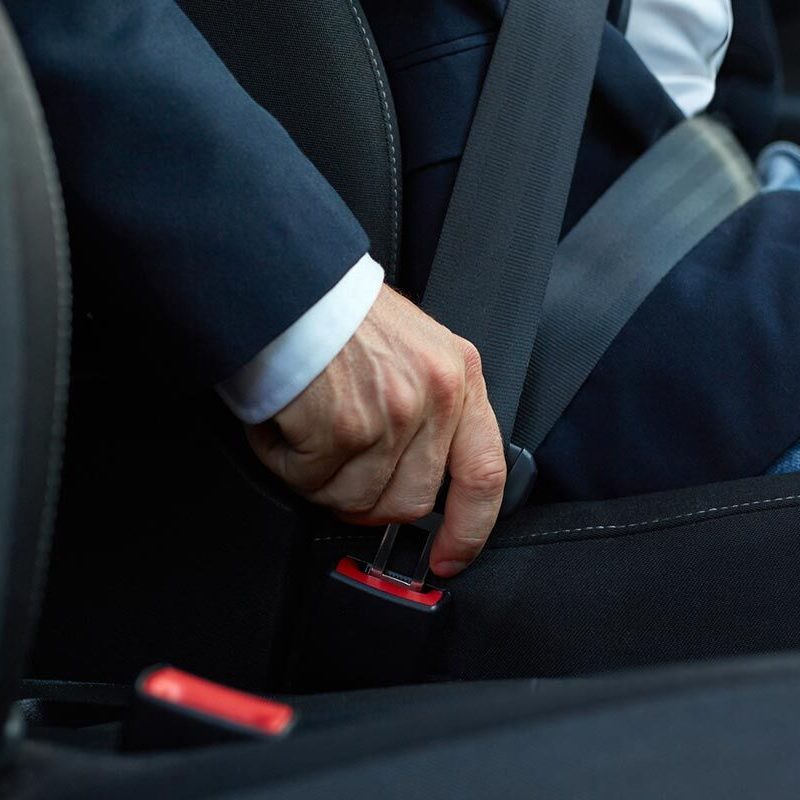
What About Defective Seat Belts?
A defective seat belt can fail to perform its intended function, leading to serious injuries. Common issues include:
- Latch Failures: The belt may not be properly secure.
- Retractor Failures: The belt may not tighten during a collision.
- Webbing Failures: Weak or frayed webbing can tear during an accident.
If you suspect a defective seat belt caused or contributed to your injuries, you may be able to pursue a product liability claim against the manufacturer.
Do Seat Belts Always Protect You? Legal Implications in Accidents
In personal injury claims, wearing a seat belt can sometimes become a factor. While most courts agree that failing to wear a seat belt does not prevent you from filing a claim, it may affect the compensation you receive. For instance, in states with comparative negligence laws, the at-fault party might argue that your injuries were worsened because you weren’t wearing a seat belt.
It’s essential to work with an experienced car accident attorney to navigate these legal nuances and ensure you receive the compensation you deserve.
Key Takeaways for Drivers and Passengers
- Always Buckle Up: Whether you’re the driver or a passenger, wearing a seat belt is non-negotiable. It’s one of the simplest ways to protect yourself.
- Check for Proper Fit: Ensure the lap belt sits snugly across your hips and the shoulder belt lies across your chest. Never place the belt behind your back or under your arm.
- Educate Your Passengers: Encourage everyone in your vehicle to wear a seat belt, regardless of where they’re seated. Rear-seat passengers are just as vulnerable in a crash.
- Seek Help After an Accident: If you’re injured in a car accident, even with a seat belt on, don’t hesitate to consult a personal injury lawyer to explore your legal options.
Contact The Hoffmann Law Firm Today
Seat belts have transformed car safety, saving countless lives and preventing serious injuries. While they can cause minor injuries in some cases, the protection they offer far outweighs the risks. By understanding seat belts’ critical role, we can make informed choices that keep ourselves and our loved ones safer on the road.
Contact The Hoffmann Law Firm, L.L.C., for a free consultation if you or a loved one has been injured in a car accident. We have over 25 years of experience helping car accident victims in St. Louis secure the compensation they deserve. Let us fight for you while you focus on your recovery.
FREE CASE EVALUATION
25 Years Only Car Accidents
Thousands Of Cases
Millions Recovered